Rust Solo Sentinel Base Next To Oil Rig
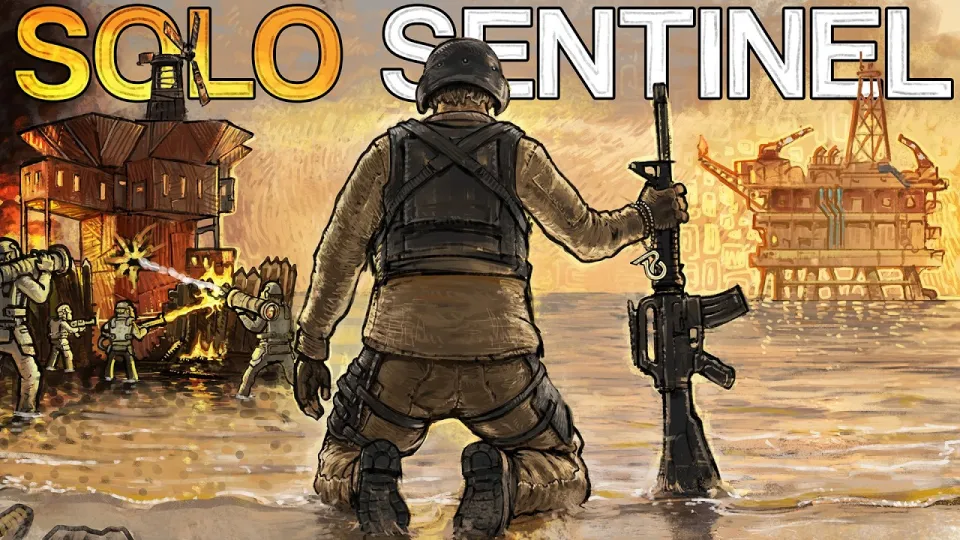
Video: The Solo Sentinel - Rust
Need articles like this for your video? They help promote it on YouTube and Google — order them in the Telegram bot @sat_sit_bot. Articles with your video embedded are written and posted by the bot itself — on popular topical sites (no ads). Your first 50 articles are free.
· based on the channel Blooprint
Key takeaways
- Blooprint's solo run builds directly next to the oil rig monument, turning the most contested loot zone into a short commute.
- The base is designed around underwater approaches and turret coverage, so attackers arrive already under fire.
- Solo play means every decision, from code lock to turret placement, is made and explained in real time to the viewer.
- The wipe ends with a rocket raid on the base; the attackers get in, but the defense draws visible respect.
- Viewer feedback pushes for more solo content over fast T2/T3 group progression.
Rust is a survival game where a solo player can hold ground next to the oil rig by treating the monument as a front yard rather than a destination: build close, layer turrets around the water approach, and let attackers arrive already under fire. That is the core idea behind Blooprint's "The Solo Sentinel" run, and it is also why solo play remains the most-watched format in Rust — one player, one base, one plan, with every decision explained out loud to the audience. Blooprint also streams the same kind of wipe live on Twitch, where the raw, unedited version of solo survival plays out.
Why a solo base next to oil rig works in Rust
Building beside the oil rig is normally a group strategy, because the monument is the most contested loot source on the map and every trip there is a fight. A solo player gains three concrete advantages from the same position:
- Short commute. Cargo and crate loot reaches the base in under a minute instead of a cross-map run with a full inventory.
- Predictable traffic. Groups travel to the rig on a schedule, so the solo player knows where fights will happen and can set up on the water instead of chasing them.
- Home-field defense. Turrets, traps and the underwater approach all favor the defender who built the terrain.
The trade-off is constant pressure: a base next to the rig is visible, valuable and worth raiding. The Sentinel approach accepts that pressure and builds for it instead of hiding from it.
Base design and defense layers
The base is built as a compact, multi-layer structure rather than a wide compound, because a solo player cannot man several firing angles at once. Turrets do the work that teammates would do in a group wipe:
- Water-facing turrets cover swimmers and boats approaching from below the surface, which is the most common solo entry route.
- Sealed rooms. Every room gets its own protection so a single breach does not expose the whole loot core; the community shorthand for this is sealing materials into every room.
- Upkeep discipline. A base this exposed needs to stay upgraded and fueled, and the run shows the owner upgrading and placing turrets late at night while questioning why anyone else is still awake.
The result is a base that punishes small raids and forces bigger groups to commit real explosives.
Snowballing gear as a solo player
Solo Rust is a snowball game: one good fight funds the next. The run leans on the oil rig for early tier gear and then converts that into a full kit without a team to share loot with. Key points for anyone copying the route:
- Hit the rig early, when other players are still farming and the water is quiet.
- Keep the code lock and door upgrades moving; a fresh wipe base is only as safe as its next upgrade.
- Bank progress in the base instead of carrying everything, because a solo player who dies outside loses the whole run.
The pace is deliberately slower than the twenty-minute tier-two and tier-three progression that group videos show, and that slower pace is what makes the story readable.
A rocket raid on a solo base
Late in the wipe the base takes a rocket raid from a group that was logging off and decided to spend the explosives first. The defense plays out as designed: turrets and tight angles slow the attackers, the owner rotates inside the base, and the fight becomes a war of resources rather than a clean breach. Even in a close loss, the raid is the proof of concept — a solo base next to the most contested monument on the map absorbed a full group's explosives and made them work for every wall.
What viewers ask about solo Rust content
Solo videos generate a specific set of recurring questions, and they are worth answering directly because they shape how the format is watched:
- Why solo instead of groups? In a solo run every comment is aimed at the viewer, so the thought process — why this wall, why this turret, why this fight — stays visible. Group comms replace that with chatter the audience cannot follow.
- Is the gameplay weaker than dedicated PvP channels? Mechanical skill is only part of Rust; narrative, decision-making and personality carry a solo wipe, and that is what keeps viewers attached to the format.
- Do random team-ups count? Temporary alliances with strangers met along the way are among the most requested moments, because they mix solo decision-making with group chaos.
- What base should a solo player copy? A compact design with sealed rooms, underwater coverage and turret redundancy — the same principles used here.
All Blooprint links from the video
- Twitch: https://www.twitch.tv/blooprint
- Kick: https://kick.com/blooprint
- TikTok: https://www.tiktok.com/@blooprintgames
- Twitter: https://twitter.com/blooprintgames
- Discord: https://discord.gg/blooprint
Conclusion
"The Solo Sentinel" is a compact case study in solo Rust: pick a high-value monument, build on top of it, let turrets and sealed rooms replace teammates, and treat every raid as a test of the design rather than a disaster. The run shows that a single player can hold ground next to the oil rig through a full wipe and still force a group to spend a rocket raid to get inside. Blooprint's breakdown is worth watching for the base logic alone, and the channel's solo output is the clearest argument for the format over fast group progression. For live wipes and the unedited version of these runs, follow Blooprint on Twitch.
Questions & answers
Is it viable to build a solo base right next to the oil rig in Rust?
Yes, if the base is built for pressure rather than comfort. A compact multi-layer design with water-facing turrets and sealed rooms turns the constant traffic around the rig into an advantage, because attackers arrive already under fire and the solo owner never has to travel far for loot.
Why do viewers prefer solo Rust videos over group content?
Solo runs keep the creator talking to the audience instead of to teammates, so the reasoning behind each decision stays visible. Group videos often skip straight to fast tier-two and tier-three progression, while a solo wipe shows the struggles, the slow build-up and the recovery after a loss.
How do you defend a solo base against a rocket raid?
Spread the loot across sealed rooms so one breach does not end the run, keep turrets covering the most likely approach angles, and rotate inside the base during the fight instead of pushing out. The goal is to make the attackers spend more explosives than the raid is worth.
Where can I watch Blooprint's solo Rust gameplay live?
Blooprint streams on Twitch at https://www.twitch.tv/blooprint and also on Kick at https://kick.com/blooprint. Shorter clips and highlights appear on TikTok, and the Discord server is the place for wipe announcements and community talk.
Source: The Solo Sentinel - Rust · Markdown version